
Crafting an Immersive Digital Experience
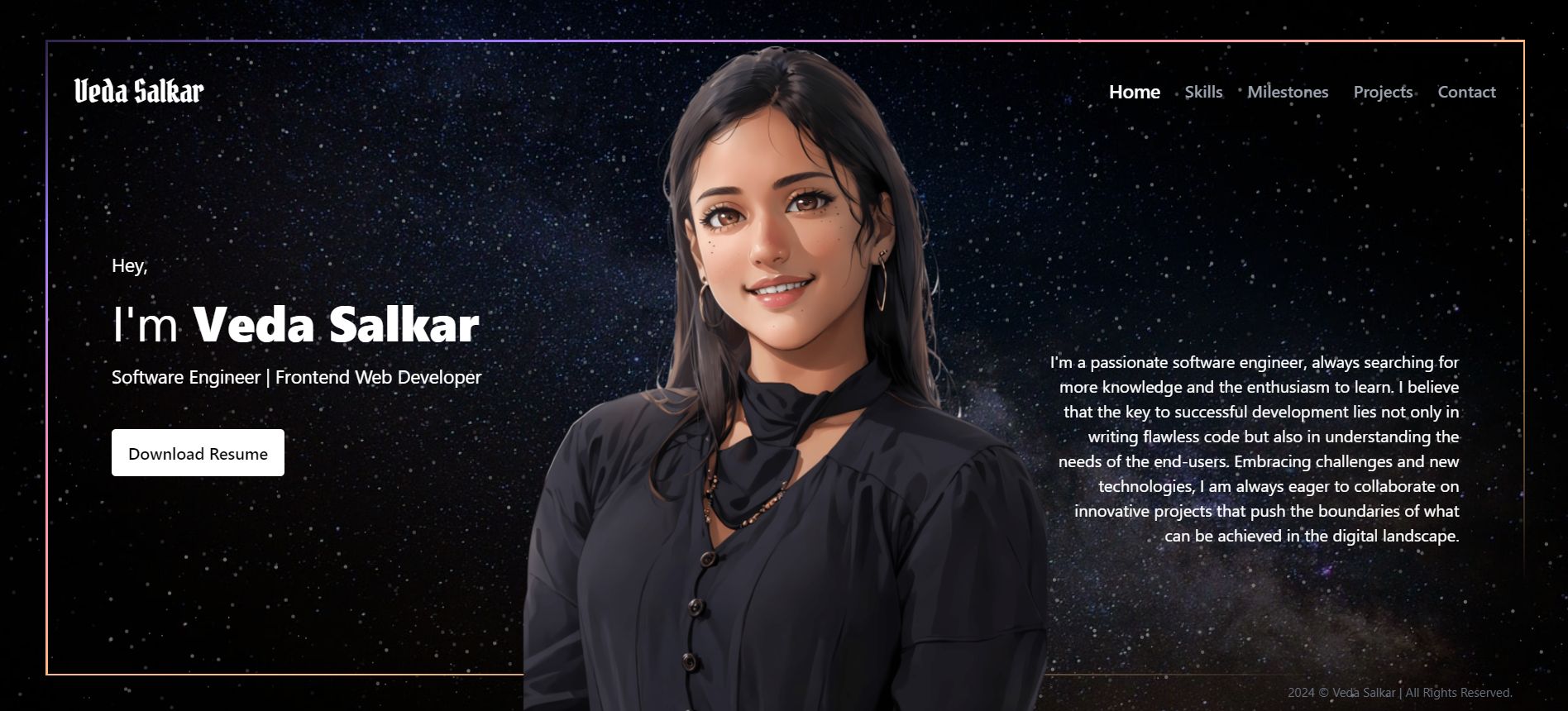
Building a personal portfolio is a rite of passage for any front-end developer. Beyond simply showcasing projects, it serves as a playground for experimentation and a testament to one's technical prowess. Recently, I set out to rebuild my portfolio from the ground up, focusing on fluid animations and a modern aesthetic powered by a robust tech stack.
The Technology Stack
To achieve a seamless blend of performance and design, I selected a combination of industry-standard tools:
- React.js: Provided the component-based architecture necessary to keep the codebase modular and scalable.
- Tailwind CSS: Enabled rapid UI development with a utility-first approach, ensuring a clean and responsive layout across all devices.
- Framer Motion: Utilized for high-level component transitions and gesture-based animations, making the UI feel reactive.
- GSAP (GreenSock Animation Platform): Employed for complex, time-based sequences and high-performance scroll-triggered animations.
Mastering Animation Techniques
The highlight of this project was diving deep into the world of web animation. While Framer Motion made state-based animations intuitive, GSAP offered the granular control required for sophisticated sequencing. Learning how to orchestrate these animations without compromising performance was a key takeaway. I focused on subtle interactions—such as reveal effects on scroll and hover states that provide immediate, satisfying feedback to the user.
Reflections on Growth
This project was more than just a resume builder; it was a deep dive into the nuances of JavaScript and user experience design. By balancing heavy animation libraries with efficient rendering, I gained a better understanding of how to optimize the browser's paint and layout cycles. Moving forward, I am excited to apply these animation techniques to larger, more complex applications.