
Bridging Engineering and Software Development
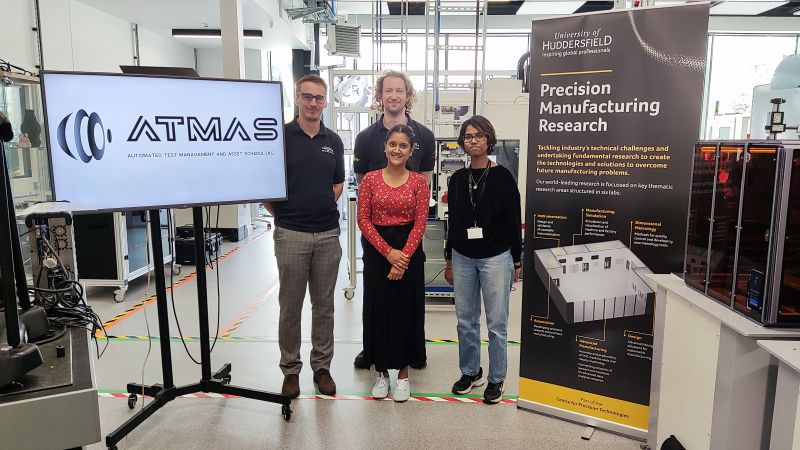
Collaborating with the Engineering Control and Machine Performance Research Group at The University of Huddersfield on the Automated Test Management and Asset Scheduling (ATMAS) project was a transformative experience. This initiative was designed to address complex, real-world operational challenges, requiring a blend of technical precision and strategic planning to deliver a solution that would fundamentally improve resource management.
Core Project Objectives
The primary objective of ATMAS was to modernize legacy processes by integrating fragmented systems into a unified platform. Key goals included:
- Streamlined asset management to optimize resource allocation across the research group.
- Centralized asset booking and test plan scheduling to minimize operational delays and human error.
- Implementation of rigorous security protocols combined with an intuitive user interface for seamless navigation.
- Facilitating professional growth by applying software development best practices to complex engineering requirements.
Technical Architecture and Implementation
To ensure the longevity and scalability of the system, we built the ATMAS architecture from the ground up using the Model-View-Controller (MVC) design pattern. This separation of concerns allowed for cleaner code maintenance and clearer data handling.
- Frontend: HTML, CSS, and JavaScript were leveraged to create a responsive, interactive interface.
- Backend: PHP was selected for its robust server-side processing capabilities.
- Database: MySQL provided a reliable and structured environment for managing complex scheduling data.
Reflections and Outcomes
The success of ATMAS extended beyond the code itself. It served as a practical lesson in the importance of team synergy, methodical project management, and the necessity of adaptability. By navigating the challenges of the development lifecycle, I gained a deeper appreciation for clear communication and the iterative nature of software engineering. This project not only enhanced my technical skill set but also reinforced my dedication to continuous professional advancement in the field of software development.