

From Concept to Cart: My First Dive into PHP with Petstore
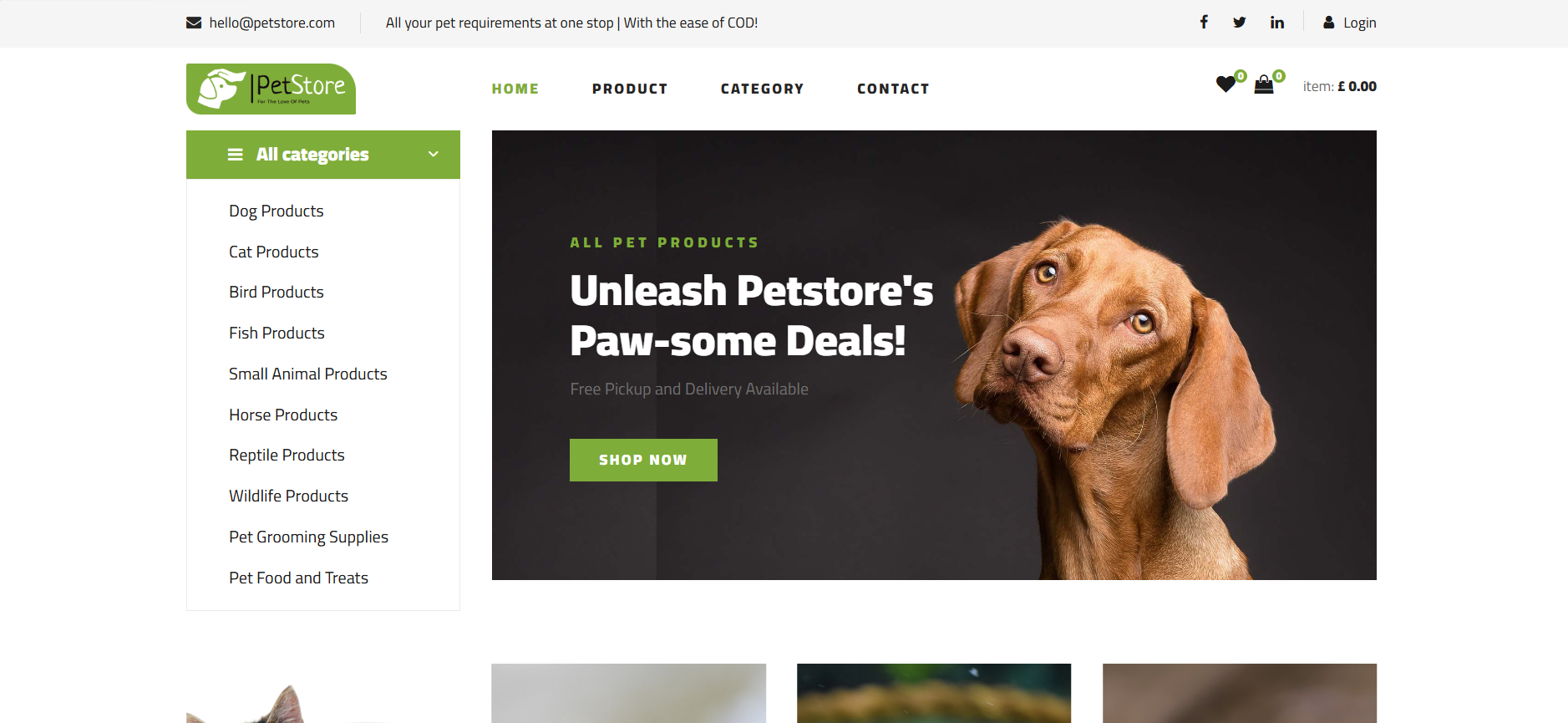
Every developer has that one project—the one that really forced them to learn, stumble, and eventually succeed. For me, it was Petstore. This wasn't just an assignment; it was my first real attempt at building a fully functional, dynamic e-commerce platform entirely from scratch using PHP. The goal was ambitious: create a comprehensive online shop tailored for pet enthusiasts, covering everything from dogs and cats to fish and reptiles.
Laying the Foundation: The Tech Stack Story
When I started, I knew the basics of HTML, CSS, and JavaScript—enough to make things look presentable. However, the real challenge lay in the backend logic. PHP was the chosen language to bridge the gap between the user interface and the data. Coupled with MySQL for robust data storage, this stack felt powerful yet daunting. My initial hurdles involved grasping session management for user logins and mastering the intricacies of secure database communication.
The User Experience: From Browsing to Wishlists
Designing the frontend for Petstore was about creating an intuitive shopping journey. Users needed to easily navigate products, whether they were searching for premium dog food or reptile habitats. Key features included seamless product browsing, where filtering by animal category was paramount. I spent significant time ensuring the JavaScript provided smooth interactions, especially when users needed to adjust quantities before adding items to their cart.
- User Registration and Login: Building secure pathways for users to manage their profiles and maintain shopping continuity.
- Wishlist Functionality: A crucial feature allowing users to save items for later, a concept that required careful management of user-specific data in the database.
Behind the Scenes: The Power of the Admin Panel
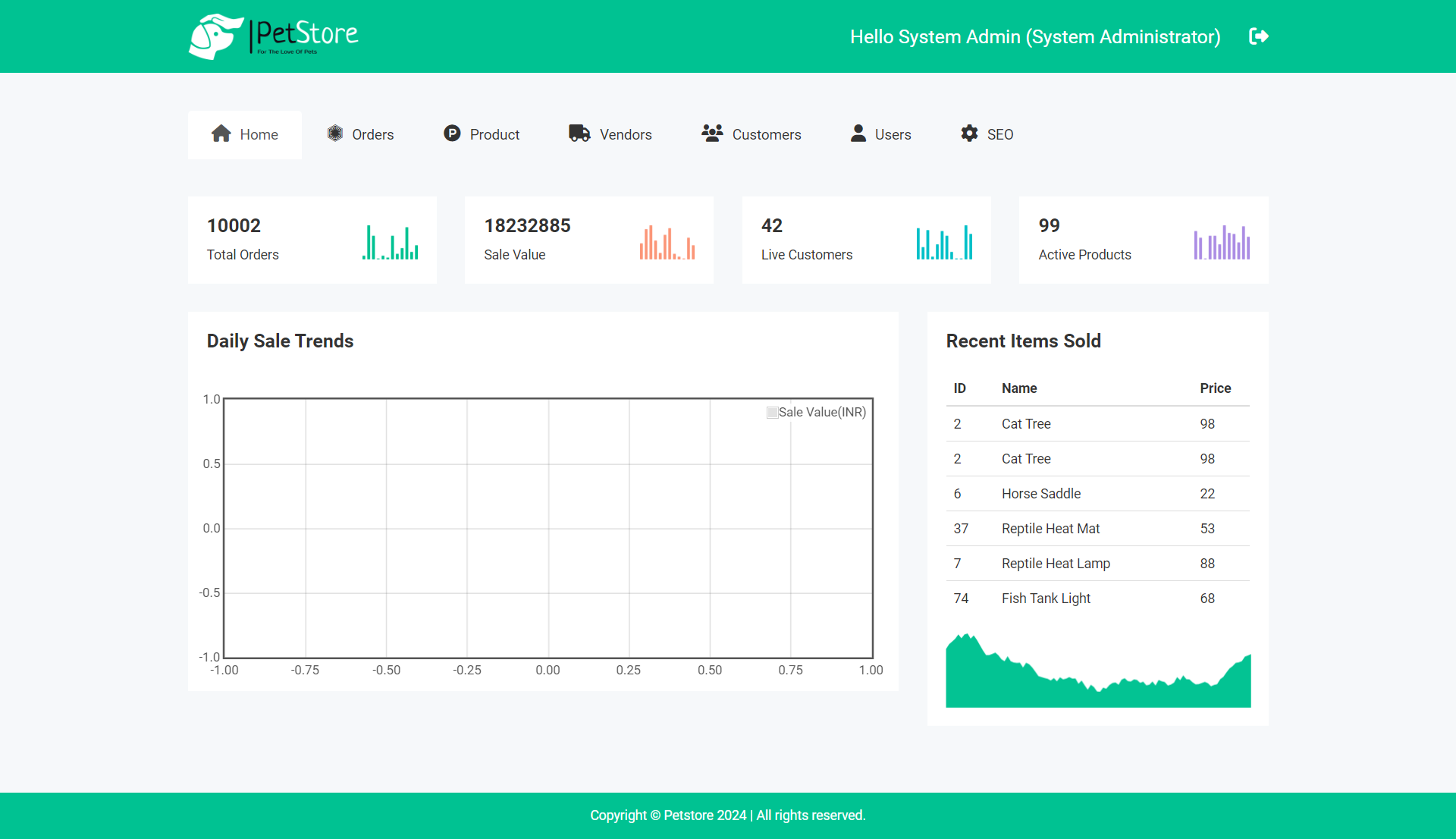
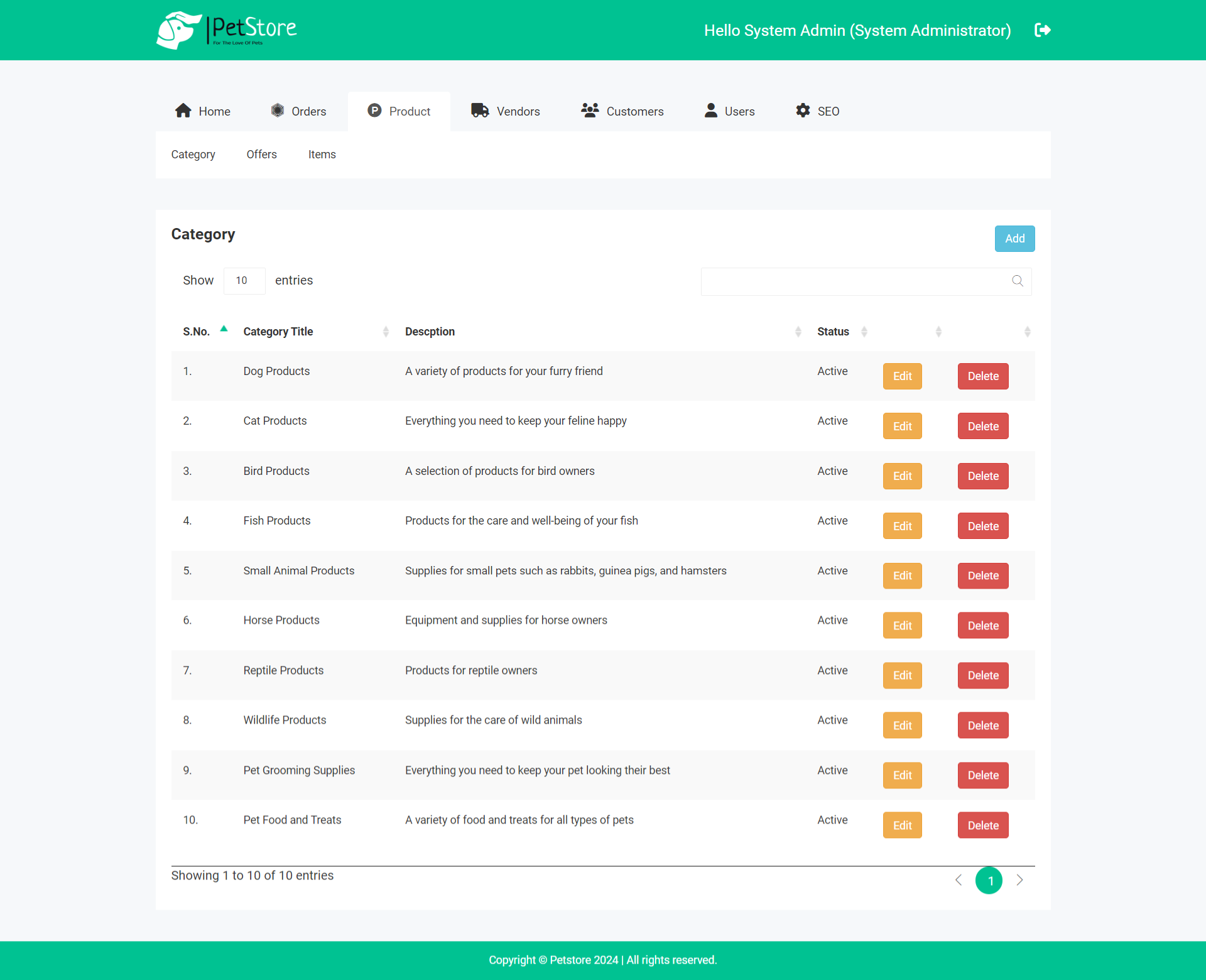
While the customer-facing site was important, the real backbone of Petstore was the admin panel. This was where I truly wrestled with backend logic, implementing Create, Read, Update, and Delete (CRUD) operations. Being able to manage inventory, update customer records, and track incoming orders efficiently was a massive learning curve. I realized that robust data management wasn't just about storing information; it was about ensuring data integrity across the entire system.
The most rewarding part of building the admin panel was seeing complex database interactions translate into simple, actionable clicks for management tasks.
Visibility Matters: Integrating SEO Best Practices
A website is useless if no one can find it. As I polished the functionality, I dedicated time to learning the basics of Search Engine Optimization (SEO). This involved structuring URLs cleanly, ensuring semantic HTML, and optimizing meta tags dynamically via PHP—a step that felt like adding a professional finishing touch. It taught me that development isn't just about functionality; it’s about ensuring discoverability in the wider web ecosystem.
Reflections on the First Project
Petstore was challenging, marked by late nights debugging SQL queries and wrestling with CSS layouts that refused to cooperate. However, successfully launching a project that handled user authentication, dynamic catalog display, and administrative control solidified my foundational knowledge in web development. It proved that with persistence, even a complex e-commerce system is achievable when broken down into manageable, technology-specific tasks. This project remains a proud milestone in my development journey.